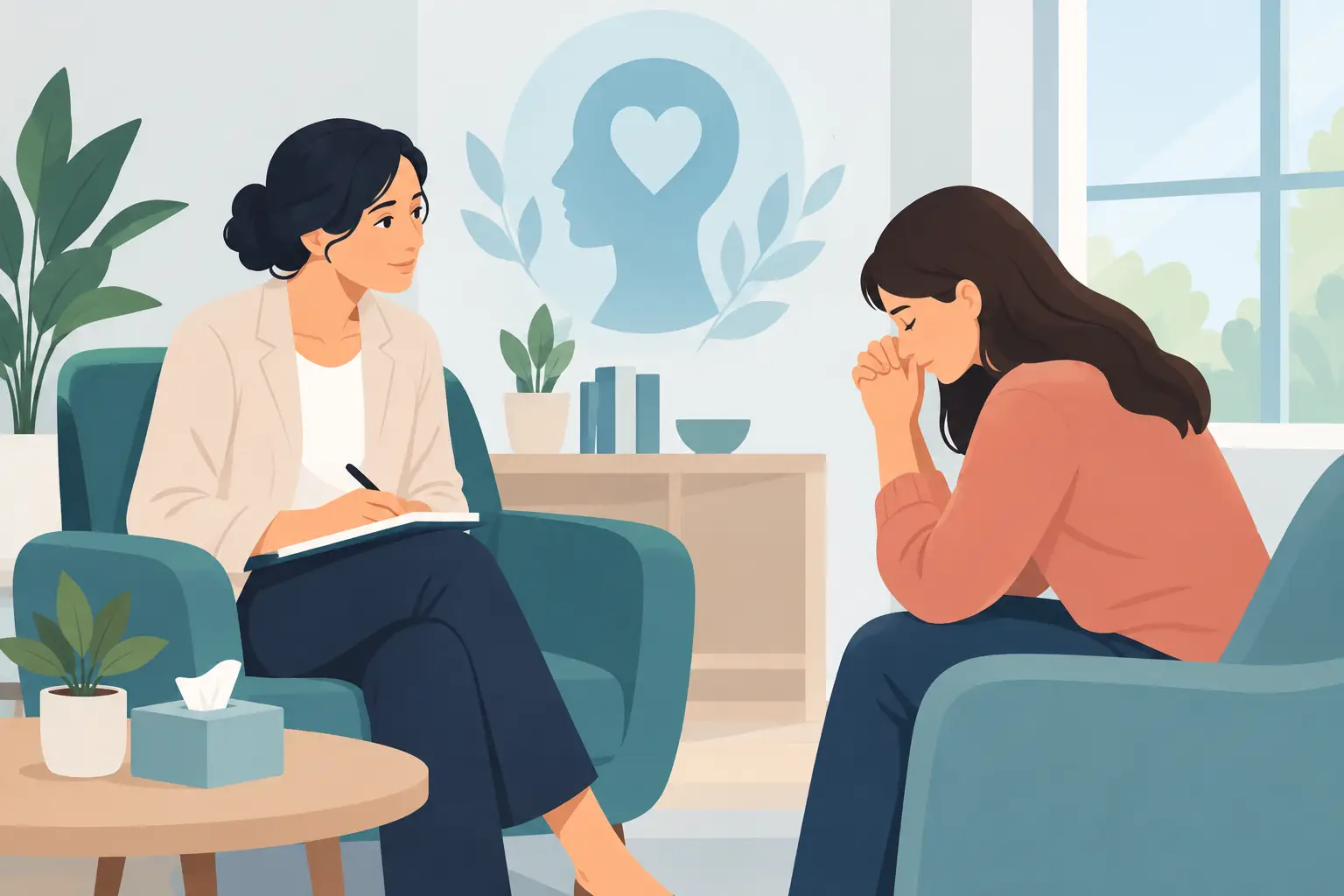
Trauma can affect far more than the memory of what happened. It may show up as poor sleep, a short temper, panic, feeling constantly on guard, difficulty trusting others, or a sense of disconnection from the people and activities that once felt familiar. This trauma counselling guide is designed to make the next step clearer: understanding what trauma-informed support can involve and how to find care that feels safe, respectful and suited to you.
What is trauma counselling?
Trauma counselling is professional support for people whose emotional wellbeing, relationships, behaviour or day-to-day functioning have been affected by distressing experiences. Trauma can result from a single event, such as an accident, assault, medical emergency or sudden loss. It can also develop after ongoing experiences, including family violence, bullying, neglect, discrimination, workplace stress or repeated exposure to unsafe situations.
There is no single “right” response to trauma. Two people can experience the same event and be affected in very different ways. Some people feel the impact immediately, while others cope for a long time before symptoms become more noticeable. Seeking counselling is not a sign that you have failed to manage. It is a practical way to receive skilled support when your usual coping strategies are no longer enough.
A qualified psychologist or counsellor can help you understand your reactions without judgement, build strategies for feeling safer in the present, and work through difficult experiences at a pace that is clinically appropriate.
Signs it may be time to seek support
Many people wait until they feel overwhelmed before making an appointment. Early support can be helpful, but counselling can also be valuable months or years after an experience. You may benefit from trauma counselling if you are noticing ongoing anxiety, intrusive memories, nightmares, avoidance, numbness, guilt, anger or changes in concentration and sleep.
Trauma can also affect the body. Headaches, muscle tension, fatigue, changes in appetite and feeling easily startled can all occur alongside emotional distress. For some people, the impact is most visible in relationships. You may withdraw from loved ones, find conflict harder to manage, feel unsafe with closeness, or become highly alert to signs of rejection or danger.
Parents and carers may notice trauma responses in children through changes in behaviour, separation distress, regression in skills, disrupted sleep, increased aggression or difficulties at school or childcare. These behaviours are communication, not simply bad behaviour. Appropriate support can help adults understand what a child may be expressing and respond in ways that promote safety and regulation.
What happens in trauma counselling?
The first sessions are usually focused on getting to know you and understanding what support you need. You do not have to share every detail of a traumatic experience at your first appointment. A careful clinician will ask about your current concerns, your strengths, your supports and what helps you feel safe. Together, you can discuss goals for counselling and decide on a pace that feels manageable.
For many clients, therapy begins with stabilisation. This may involve learning grounding techniques, recognising triggers, improving sleep routines, building emotional regulation skills and creating a plan for difficult moments. These foundations matter because trauma work is not about forcing yourself to relive distress. It is about increasing your ability to cope with thoughts, feelings and physical reactions as they arise.
When it is appropriate, therapy may include evidence-informed approaches that help process traumatic memories and reduce their impact. The approach depends on your history, current safety, preferences and readiness. Some clients need brief, focused support after a specific event. Others benefit from longer-term therapy, particularly where trauma has been ongoing or has affected relationships, identity, disability support needs or everyday independence.
A trauma counselling guide to choosing the right clinician
The relationship with your therapist is an important part of treatment. Look for a qualified professional with experience in trauma-informed care and a communication style that helps you feel respected. It is reasonable to ask about their approach, what sessions may involve, whether they have experience with concerns similar to yours, and how they manage privacy and confidentiality.
The right fit is not only about qualifications. Practical access matters too. Consider whether face-to-face appointments, phone counselling or telehealth would make it easier to attend consistently. For people in Brisbane who are balancing work, caring responsibilities, mobility needs or anxiety about leaving home, flexible appointment formats can remove a significant barrier to receiving care.
It can take more than one appointment to know whether a clinician is a good fit. You should feel able to ask questions and say if an approach is not working for you. Trauma-informed care involves collaboration. Your therapist should not pressure you to discuss material before you are ready.
Supporting trauma recovery outside appointments
Counselling is most effective when it is supported by realistic, repeatable care between sessions. The goal is not to eliminate every difficult feeling. It is to gradually build a greater sense of choice, safety and confidence in responding to those feelings.
Small routines can make a meaningful difference. Regular meals, movement that feels manageable, predictable sleep habits and time with safe people can help settle a nervous system that has been under strain. Grounding exercises may also help during moments of distress. You might focus on naming what you can see around you, feeling both feet on the floor, slowing your breathing, or holding an object with a comforting texture.
Avoidance can bring short-term relief, so it is understandable that many people avoid places, conversations or reminders connected to trauma. Over time, though, avoidance can make life smaller. With professional guidance, gentle and planned steps towards valued activities may help you regain a sense of control without becoming overwhelmed.
Family members and carers can support recovery by listening without trying to fix everything, respecting boundaries and encouraging professional help. Statements such as “I believe you”, “We can take this one step at a time” and “How can I support you today?” are often more helpful than asking for details or urging someone to move on.
Trauma support for NDIS participants and families
For people living with disability, trauma may intersect with communication needs, sensory sensitivities, behaviour support requirements, health conditions and past experiences of services. Support needs to account for the whole person, not treat trauma in isolation.
NDIS participants may be able to access psychology, counselling or allied health supports where these align with their plan goals and funding arrangements. The exact options depend on the plan, the type of funding and whether the requested support is considered reasonable and necessary. A provider can help explain service formats and work with participants, families, support coordinators and other professionals where consent is provided.
Trauma-informed Positive Behaviour Support is particularly important when behaviours of concern may be linked to distress, unmet needs, communication barriers or a history of unsafe experiences. Rather than focusing only on stopping a behaviour, a respectful approach looks at what the behaviour may be communicating and builds practical supports that improve quality of life.
In Mind Therapy provides psychology, counselling and NDIS-aligned allied health support, with face-to-face, phone and telehealth options available for clients whose circumstances require flexible care.
When urgent help is needed
Counselling is valuable, but it is not an emergency service. If you or someone else is in immediate danger, call 000. If you are having thoughts of suicide, self-harm, or feel unable to stay safe, seek urgent support through emergency services, your local hospital emergency department, or a crisis service.
You do not need to wait until a situation becomes a crisis to ask for help. A GP can also be a useful starting point, particularly if trauma symptoms are affecting sleep, physical health, medication needs or your capacity to manage daily life.
Recovery from trauma rarely follows a straight line. Some weeks may feel easier than others, and progress may look like sleeping a little better, returning a phone call, setting a boundary or feeling less alone with what happened. The next helpful step is simply to choose support that treats your experience with care and gives you room to move forward at your own pace.