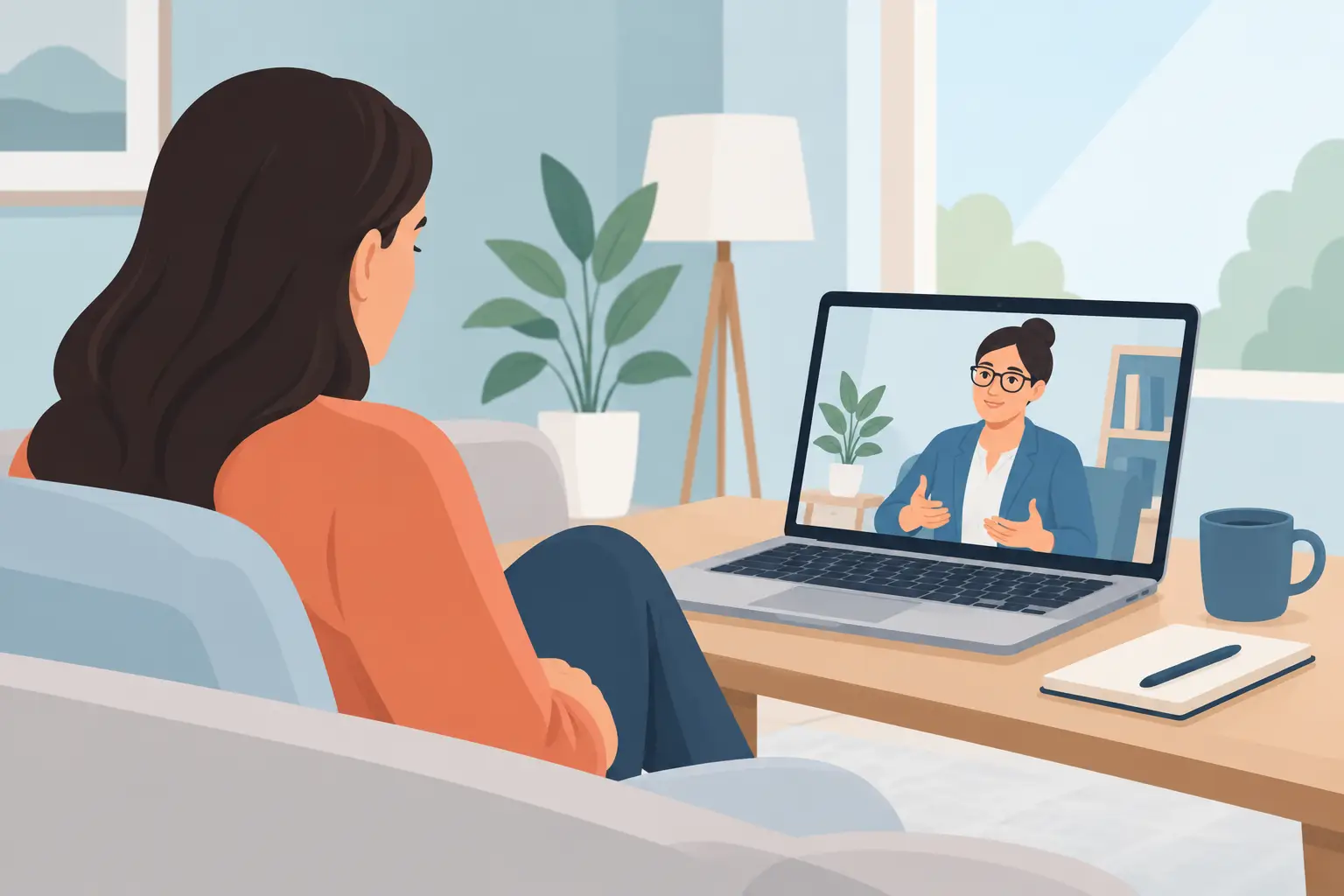
A difficult conversation does not always need to happen in a clinic room. For many people, telehealth psychology makes it possible to speak with a qualified professional from home, work, or another private space that feels manageable. It can reduce travel, make regular appointments easier to attend, and provide another way to access support when life feels busy or overwhelming.
For Brisbane clients, families, carers and NDIS participants, the value is often practical as much as personal. A mobile or video appointment may mean less time coordinating transport, arranging care for children, taking time away from work, or travelling when health, disability or anxiety makes that harder. The right format depends on your needs, preferences and clinical goals.
What is telehealth psychology?
Telehealth psychology is psychological therapy or counselling delivered remotely, usually by secure video consultation or mobile. The appointment follows a similar structure to an in-person session: you meet with your psychologist or counsellor, discuss what is happening, set goals where appropriate, and work through strategies or therapeutic approaches suited to your circumstances.
Video sessions allow you and your clinician to see one another, which some people find helpful for building connection and reading non-verbal communication. Mobile consultations can be a better fit for people with limited internet access, reduced confidence with technology, sensory sensitivities, or a preference for speaking without being on camera.
Telehealth is not a lesser version of care. For many concerns, it can be an effective and comfortable way to receive professional support. However, it is not the ideal choice for every person or every situation. A clinician can help you decide whether remote appointments, face-to-face sessions, or a combination of both is most suitable.
When telehealth psychology can be a good fit
Remote sessions can work well for adults experiencing stress, low mood, anxiety, adjustment difficulties, grief, relationship concerns or challenges at work and home. They can also support people who want consistent counselling but have a variable schedule, live outside a convenient travel distance, or find attending a new setting confronting.
For couples, telehealth can offer a practical way to attend relationship therapy together from the same location. In some circumstances, partners may join from separate locations. This needs thoughtful planning so each person has privacy and is able to participate safely and openly.
Telehealth may also assist NDIS participants and their families where travel, fatigue, mobility, behaviour support needs or competing appointments create barriers to regular care. A session can provide space to discuss emotional wellbeing, coping skills, family pressures, behaviour-related concerns and progress towards agreed goals. Where Positive Behaviour Support or other structured supports are involved, remote meetings may be useful for carer consultation, planning and follow-up, depending on the participant's needs.
Parents can benefit from telehealth when seeking guidance around their child's development, behaviour or emotional regulation. At times, speaking from the family home gives a clinician useful context about routines and day-to-day challenges. At other times, an in-person appointment is more appropriate, particularly where direct observation or hands-on support would add value.
The practical benefits of remote appointments
The strongest benefit of telehealth is access. Support can be easier to maintain when an appointment does not require a commute across Brisbane, parking, public transport, or additional time away from family responsibilities. This can be particularly valuable during periods of illness, recovery, caring responsibilities or limited mobility.
Privacy can be another advantage. Some clients feel more at ease speaking from a familiar setting, especially in the early stages of therapy. Others prefer a clinic environment because it creates a clear boundary between therapy and home. Neither preference is wrong. Feeling safe enough to speak honestly matters more than choosing the format that sounds most convenient on paper.
Continuity is also significant. If you are travelling within Australia, temporarily unable to attend in person, or managing a changing routine, telehealth may help you keep appointments and maintain momentum. Consistent therapeutic contact can make it easier to practise strategies, review what is working, and address concerns before they become more difficult to manage.
What you need for a useful session
A successful telehealth appointment does not require a perfect home office. It does require a reasonably private place, a reliable mobile or internet connection, and enough time to focus without interruption. Headphones can improve audio quality and help protect your privacy if other people are nearby.
Before the session, choose a space where you can speak freely. This might be a bedroom, a quiet room at work, or even a parked car in a safe and private location. Let household members know you should not be interrupted where possible. If privacy is limited, tell your clinician at the start of the appointment so you can work out a practical approach together.
It is helpful to have a glass of water, any notes you want to discuss, and a way to write down strategies or next steps. If you are using video, test your device and connection a few minutes beforehand. Small preparation steps can reduce stress and help the session begin calmly.
When face-to-face care may be better
Telehealth has limits, and good care includes being clear about them. Some clients find it harder to connect through a screen or phone, particularly when discussing trauma, highly distressing experiences or complex relationship dynamics. Others do not have a private environment, reliable technology or a setting that feels emotionally safe.
Face-to-face support may be preferable when a clinician needs to observe behaviour, development, communication or interactions in more detail. It can also be useful for children who engage more readily through play-based or activity-based approaches, and for people who benefit from the structure of leaving home and entering a dedicated therapeutic space.
Safety is another consideration. Telehealth psychology is generally not suitable as the only response to an immediate mental health crisis or a situation where someone is at risk of harm. If you or another person is in immediate danger, call Triple Zero (000). If you are unsure what level of support is needed, contact an appropriate urgent mental health or medical service for guidance.
Making the most of telehealth psychology
The therapeutic relationship matters more than whether you are sitting in the same room. Be open with your clinician about what feels comfortable, what is difficult, and whether the remote format is helping. If video feels tiring, a mobile session may be worth considering. If home feels too distracting, occasional in-person appointments may provide a better balance.
It can also help to treat the appointment as protected time. Avoid booking it while managing emails, supervising children, driving, or doing household tasks. Give yourself a few minutes afterwards, if possible, to reflect on the conversation and settle before returning to your usual responsibilities.
For NDIS participants, carers and support networks, clear communication is especially helpful. Discuss who should attend, what information can be shared, and how appointments connect with existing goals and supports. The aim is not to add another complicated process, but to make therapeutic input practical and relevant to everyday life.
Choosing a provider with the right approach
When considering remote therapy, look for a qualified provider that explains how appointments work, protects your privacy, and takes the time to understand your circumstances. You should feel able to ask about the clinician's experience, the type of support offered, fees or funding arrangements, and whether telehealth is appropriate for your goals.
In Mind Therapy provides professional psychology and counselling options for people seeking flexible support, including telehealth, mobile and face-to-face appointments. For people navigating disability-funded care, it is equally important that therapeutic support can sit alongside practical planning and coordinated services where needed.
Starting therapy can feel like a significant step, particularly if you have been managing alone for a long time. Whether you choose telehealth or an in-person appointment, the most useful starting point is often simply choosing a format that makes it easier to begin the conversation.